
How to Choose a Sewing Machine
for Beginners
A mechanic's honest take on what actually matters — and what's just marketing noise
Before We Start: Sewing Machines Aren't What They Used to Be
A few decades ago, a household sewing machine could easily last 40–60 years. My grandmother's Singer from the 1960s still runs today. That's just not the world we live in anymore.
Today's manufacturers use more plastic parts, lighter motors, and designs focused more on replacement than repair. It's not great news — but it's the reality. The silver lining? If you choose the right brand and model — and take proper care of it — your machine can still serve you well for many years.
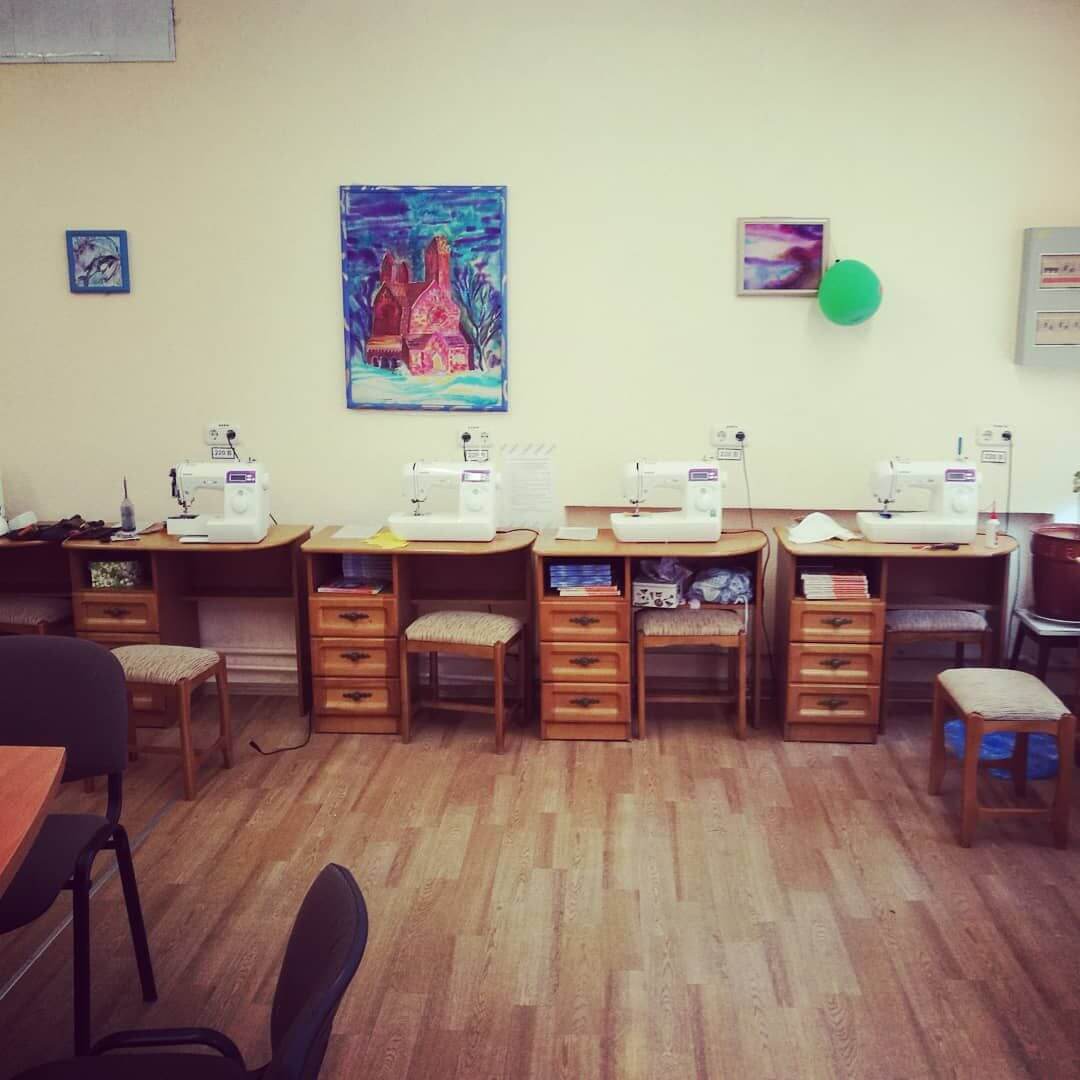
Step 1 Decide What You Want to Sew
Before you look at a single brand or price tag, answer two questions. These two factors alone will narrow your options down dramatically and save you from buying the wrong machine entirely.
What fabrics will you sew?
Lightweight cotton and quilting fabric behave very differently from denim, canvas, or stretch knits. A machine that breezes through cotton may struggle or break a needle on denim. Know your fabrics before you shop.
What projects are you planning?
Basic repairs, clothing, home décor, quilting, lingerie — these all have different requirements. Quilting, for example, demands a very consistent feed and a wider throat space. Sewing knits requires a machine that handles stretch without skipping stitches.
Your answers to these two questions determine everything: motor power, feed system, bobbin type, and the stitches you'll actually use day-to-day.
Step 2 Avoid Ultra-Cheap Machines
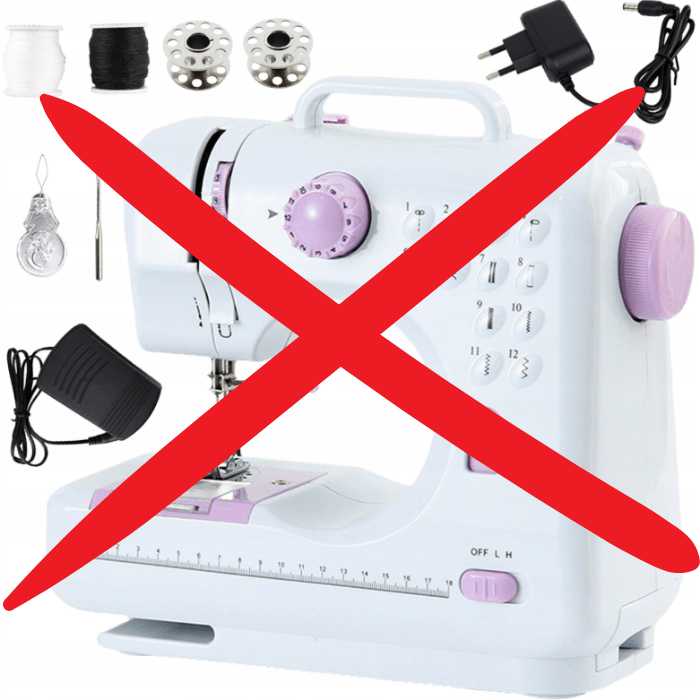
Machines under $80–$120 may look attractive on Amazon. I get it — money's tight, you're just starting out. But these machines are the #1 reason beginners quit sewing. I see them on my workbench regularly, often just weeks after purchase.
Common problems: plastic internal gears, weak motors, inconsistent fabric feeding, terrible stitch quality, vibration, and zero availability of spare parts or authorized service. When something breaks — and it will — you're basically looking at buying a new machine anyway.
Step 3 Bobbin Systems: Top-Loading vs. Front-Loading
Here's the section most beginners skip — and regret skipping. The bobbin system affects noise, stitch quality, ease of use, and even the decorative stitches your machine can produce cleanly.
| Feature | Top-Loading (Drop-In) | Front-Loading (Vertical) |
|---|---|---|
| Noise level | Very quiet | Slightly louder |
| Ease of use | ✔ Easy — drop in and go | Requires more practice |
| See thread level | ✔ Clear cover window | ✗ Not visible |
| Decorative stitches | Up to 7 mm wide | Usually up to 5 mm |
| Durability / simplicity | Good | ✔ Very durable |
| Best budget range | $300–$700+ | Under $250 |
| Best for knits / lingerie | ✔ Yes | Not ideal |
Step 4 Mechanical vs. Computerized Machines

Mechanical Machines
Simple dials, no screens, no electronics to fail. These machines are easier to maintain, and when something does go wrong, repairs are usually cheaper. Great for basic sewing and people who don't want to deal with technology. The downside: fewer stitch options, no automatic buttonholes, no speed control.
Computerized Machines
Buttons, LCD displays, and built-in stitch programs. Automatic buttonholes alone are worth the upgrade for many sewers. You also get speed control, needle up/down function, and more consistent stitch quality. They cost more and require good thread and proper maintenance — but they're genuinely more comfortable to use every day.
Want to go deeper?
My Kindle guide "Basic Guide to Sewing Machine Repair" covers how to prevent and fix 80% of common breakdowns — including issues that come up right after buying a new machine. A handy reference to keep alongside your manual.
View on Amazon →Step 5 How to Read Reviews the Right Way
Reviews can genuinely help — but only if you read them critically. Look for real photos and videos, comments about fabric feeding and stitch consistency, and reviews mentioning noise and vibration. Pay attention to what people say about spare parts availability and service.
One thing many people miss: machines popular in Europe may have service issues in the U.S. Always check that authorized service centers exist in your area before buying a brand you've never heard of.
Best Sewing Machine Brands in the U.S.
Here's my honest technical breakdown — no brand sponsorships, just what I've seen on my workbench.
User-friendly, affordable, widely available parts and service.
Smooth, quiet, and consistently reliable across price points.
Strong feeding system, powerful motor — handles heavy fabrics well.
Well-known brand, but quality varies significantly by model. Check reviews carefully.
High-end quality, especially strong in serger and overlocker category.
Swiss precision engineering. Expensive but genuinely top-tier quality.
Recommended Machines for Beginners
-
1
Brother CS7000X Best overall for beginners — great value, easy to use, reliable
-
2
Singer Heavy Duty 4423 Best budget heavy-duty option — punches above its price point
-
3
Janome HD1000 Best for heavy fabrics — sturdy, dependable, low-maintenance
-
4
Juki HZL-F300 Best mid-range computerized machine — smooth, quiet, feature-rich
Where to Buy: Online vs. In-Store
Whenever possible, buy from a specialized sewing machine dealer. The price difference is usually small, and what you get in return is real: expert support, warranty service, authorized repairs, and genuine recommendations from people who actually use these machines.
Trusted U.S. retailers worth checking: SewingMachinesPlus.com, Ken's Sewing Center, and Sewing Parts Online. Amazon works too — but stick with authorized sellers with clear warranty information, and avoid random marketplace sellers.
Before You Buy — Quick Checklist
- Know what fabrics and projects you're planning
- Skip anything under $150 — it's not worth it
- Understand the bobbin system (top vs. front loading)
- Decide between mechanical and computerized based on how you sew
- Stick to trusted brands with U.S. service centers
- Read real reviews — look for photos, fabric feedback, and noise comments
- Buy from a reliable seller with a proper warranty
New machine? Don't skip the basics.
My guide "Basic Guide to Sewing Machine Repair: How to Prevent and Fix 80% of Common Breakdowns" will help you get started on the right foot — understanding your machine, maintaining it properly, and troubleshooting the issues every sewer eventually runs into.
Get it on Amazon Kindle →