1. Sewing Machine Oil
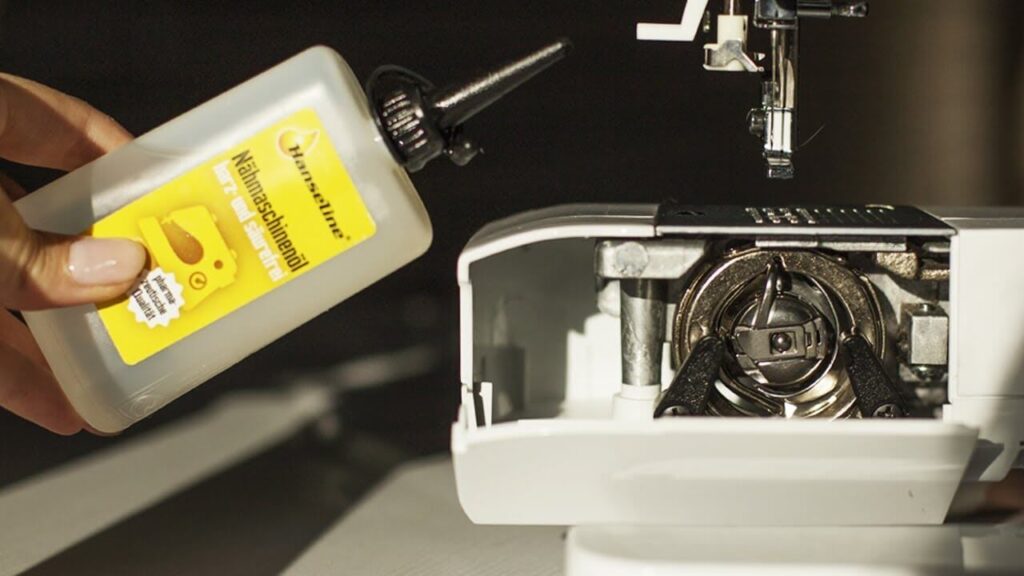
No single item on this list matters more. Your machine has metal components moving against each other thousands of times per minute. Without proper lubrication, they wear faster, run hotter, and get progressively louder until something gives.
Use only oil specifically designed for domestic sewing machines — a light, clear mineral oil in a bottle with a thin precision applicator tip. That tip matters. It lets you apply oil exactly where it needs to go without flooding the whole mechanism.
Never use:
- WD-40 or any spray lubricant — it’s a solvent, not a lubricant, and will dry out your machine’s internals
- Motor oil or automotive oil — too thick, attracts grime, gums up the mechanism
- Cooking oil or any food-based oil — it goes rancid and creates sticky residue inside a precision mechanism
- Generic “3-in-1” household oils — not formulated for sewing machines
→ Sewing machine oil on Amazon
For a full step-by-step guide on where and how to oil your machine, read: How to Clean and Oil Your Sewing Machine.
2. A Cleaning Brush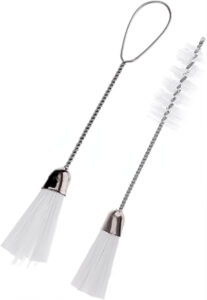
Every time you sew, lint and thread fragments accumulate under the needle plate, around the feed dogs, and inside the bobbin area. It’s completely normal — but it has to come out regularly.
A small brush with medium-stiff nylon bristles is the right tool. Avoid metal brushes — they scratch internal surfaces. Clean the bobbin area every 2–3 bobbins-worth of thread. Two minutes, every time. It prevents a lot of problems down the line.
3. Tweezers
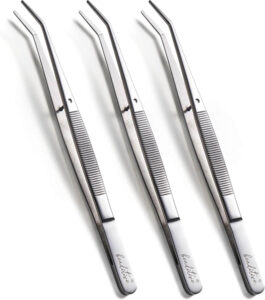
Broken thread ends and tiny debris get into places your fingers simply can’t reach — especially around the hook race and inside the bobbin case. A good pair of angled tweezers lets you remove them cleanly without making things worse.
This sounds minor until you’re 20 minutes into trying to fish a thread fragment out with a toothpick. Just have the tweezers.
4. Compressed Air
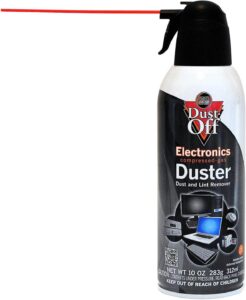
A can of compressed air clears dust from areas even a brush can’t fully reach — inside the machine body, around the motor, and in tight spaces near the feed dogs.
One important rule: always blow air outward and away from the machine, never deeper inside. Short bursts only — a few seconds at a time is plenty.
5. Quality Sewing Machine Needles
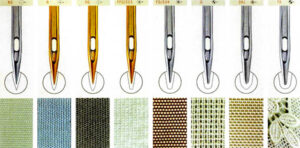
A needle is a consumable part. Not a permanent one. A dull, bent, or wrong-sized needle is one of the most common causes of skipped stitches, thread breakage, fabric puckering, and that mysterious clicking noise people describe. I’ve opened machines where the owner was convinced something was seriously wrong internally — all it was, was a bent needle they’d been using for two years.
Change your needle every 8–10 hours of sewing time, or after every major project. Needles are one of the least expensive things in sewing. A damaged timing hook is not.
Buy name-brand needles — the sizing is consistent, the sharpness lasts, and they’re worth every extra cent over no-name bulk packs.
→ Quality sewing machine needles on Amazon
For everything you need to know about needle types, sizes, and which to use for which fabric, read: Sewing Machine Needles: The Complete Guide.
6. The Correct Bobbins for Your Machine
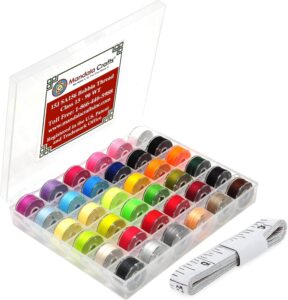
This is where a surprising number of sewers go wrong. Bobbins look almost identical across brands, but the differences in height and diameter are real — and a bobbin that’s even slightly off-spec causes looping on the underside of your fabric, inconsistent tension, and clicking or grinding sounds during stitching.
A bobbin that “almost fits” is one of the most common problems I’m called in to diagnose. Always use bobbins specified for your exact machine model. Most home machines use Class 15 metal bobbins — but confirm with your manual first.
7. Good Quality Thread
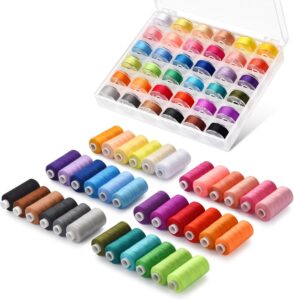
Cheap thread is one of the sneakiest causes of machine problems. Low-quality thread sheds lint constantly — clogging the bobbin area faster, coating the tension discs, and getting into the hook race. It also has inconsistent thickness, which throws off your tension settings even when everything else is properly adjusted.
Very often, when someone tells me their machine has tension problems or keeps breaking thread, the first thing I ask is what thread they’re using. More often than I’d like, that’s the whole answer.
Buy a recognized brand — consistent, lint-free thread makes a genuine difference to how your machine runs.
8. Precision Screwdrivers
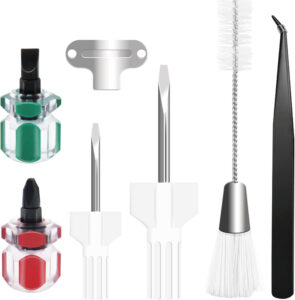
Sewing machines use small screws. Standard household screwdrivers are too large and will strip those screw heads — a frustrating problem when you need to remove the needle plate or make any adjustment.
A small precision screwdriver set is inexpensive and something you’ll be glad you have the moment you need it.
9. A Magnetic Tray or Bowl
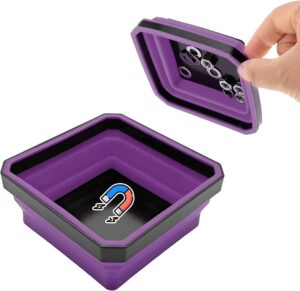
When cleaning or doing any maintenance, you remove screws, needle plates, bobbin cases, and tiny components. A magnetic tray keeps all of it in one place and prevents the classic experience of watching a tiny screw roll off the table and disappear forever.
Small thing. Genuinely useful every single time.
10. A Dust Cover or Machine Bag
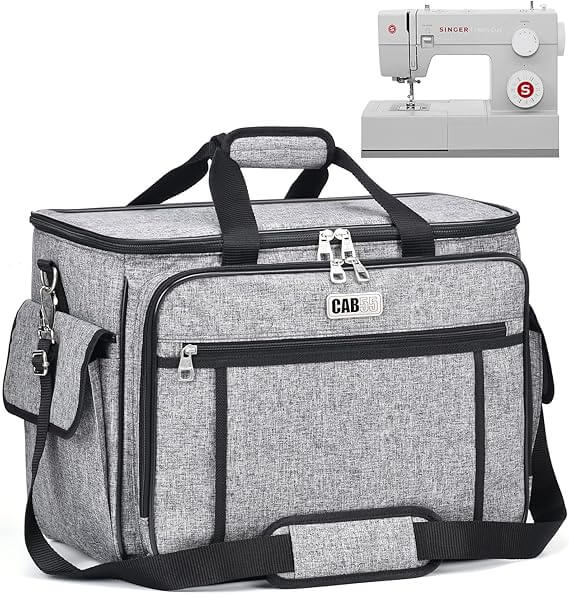
Dust is one of the most damaging things for a machine that sits between uses. It settles into the mechanism, mixes with oil, and over time turns into a thick paste that slows and gums up moving parts. I’ve serviced machines that needed a full internal cleaning simply because they’d been sitting uncovered for a few months.
A good dust cover is cheap protection that extends your machine’s life meaningfully. This is one of the most overlooked items on any sewing supplies for beginners list — and one of the most practical.
11. A Set of Spare Presser Feet
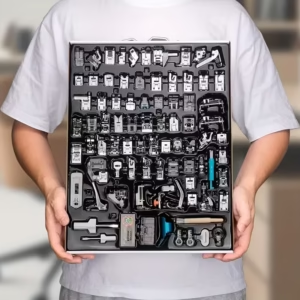
Your machine came with a standard all-purpose foot. That covers straight stitching and basic zigzag. But having a set of additional presser feet opens up what your machine can actually do — and more practically, gives you a backup when you need one.
A zipper foot, buttonhole foot, blind hem foot, and a few specialty options cover most everyday sewing needs that the standard foot can’t handle.
→ Sewing machine presser feet set on Amazon
For a full breakdown of which presser feet are actually useful and when to use them: Sewing Machine Presser Feet: The Essential Guide.
12. A Small Parts Organizer
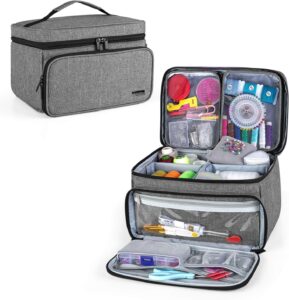
Bobbins, spare needles, presser feet, seam rippers, screws — these naturally spread across every surface near your machine. A simple organizer with separate compartments keeps everything together, visible, and easy to find.
When everything has a place, you reach for the right needle automatically, find the right bobbin without thinking, and start sewing instead of hunting.