Best Sewing Machines for Beginners in 2026
Honest Picks That Actually Hold Up
Most beginner sewing machine guides are written by people who’ve never actually opened one up. This one isn’t.
As a sewing machine mechanic with 20+ years of repair experience, I’ve seen thousands of machines from the inside — how they behave after one year, after five, after ten. I know what breaks, what holds up, and what’s worth the money at each price point. This list is built on that. No brand deals, no paid placements. Just the machines that show up on the repair bench least often.
Stick around — there’s a section near the end that covers the one mistake most beginners make when buying their first machine. It’s not about budget, and it costs people more than they realize.
Why Cheap Machines Set Beginners Up to Fail
Here’s something the marketing won’t tell you: machines under $100 are built with a lot of plastic. Not just the casing — the internal parts too. The gears, the cam stack, the bobbin housing. All plastic.
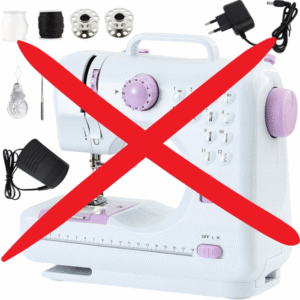
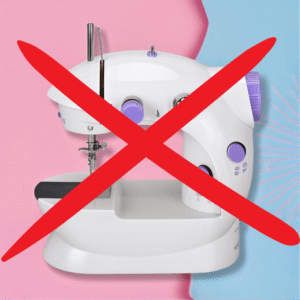
What happens in practice? Stitch quality is inconsistent from day one. After a few months, parts start to wear. You spend more time troubleshooting than actually sewing. And eventually you decide sewing “isn’t for you” — when really, the machine just wasn’t up to the job.
The sweet spot for beginners is $200–$500. In this range you get:
- Metal internal parts that actually last
- Consistent stitch quality across different fabrics
- Enough features to grow with — but not so many that you get overwhelmed
- A machine that stays useful even if sewing never becomes your main hobby
Spend less, and you’re likely buying frustration. Spend more than $500 as a beginner, and you’re paying for features you won’t use for a while.
Mechanical vs. Computerized: Which One Is Right for You?
Before getting to the list, this choice matters more than most people realize.
Mechanical machines are operated with dials and levers. No screen, no digital components, no software to confuse you. They’re simpler to learn on, easier to maintain, and — from a repair standpoint — far more forgiving when something goes wrong. Parts are widely available, adjustments are straightforward, and a basic service keeps them running for decades. If you’re brand new to sewing, start mechanical.
Computerized machines let you select stitches from a screen at the press of a button. They offer more precision, more stitch variety, and conveniences like automatic thread cutters, needle up/down memory, and one-step buttonholes. The tradeoff is complexity — more things to learn, more things that can go wrong electronically, and repairs that are generally more expensive. Worth it if you’re serious about sewing from day one.
One thing I want to be clear about: computerized doesn’t mean better. It means different. A well-built mechanical machine will outlast a poorly built computerized one every time.
The 8 Best Sewing Machines for Beginners in 2026
Disclosure: Links above are affiliate links. At no extra cost to you, I may earn a small commission if you purchase through them. As an Amazon Associate, I earn from qualifying purchases.
1. SINGER Heavy Duty 4452 — Best Overall
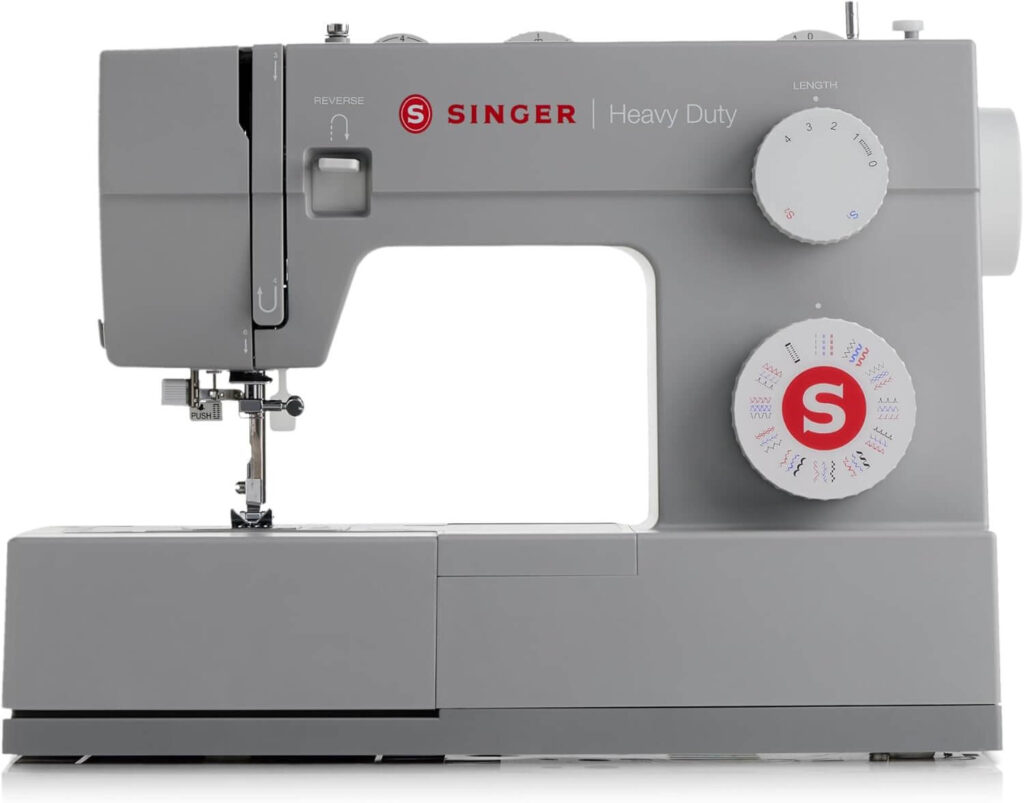
Type: Mechanical | Best for: Beginners who want reliability from day one
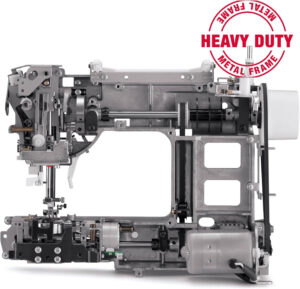
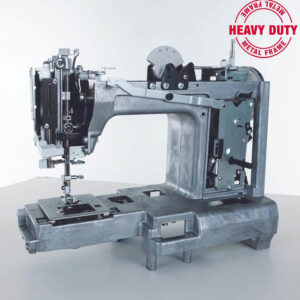
The 4452 is one of the most popular beginner machines in the US — and it earns that reputation. A heavy-duty metal frame, a powerful motor that runs at 1,100 stitches per minute, and it handles thick fabrics like denim and canvas without struggling.
32 built-in stitches, an automatic needle threader, and a presser foot that manages multiple layers without skipping. No fancy touchscreen — just a straightforward machine that does what it’s supposed to do, reliably, for years. If you want one machine that handles everything a beginner throws at it, start here.
2. SINGER Heavy Duty 4432 — Best Budget Heavy Duty
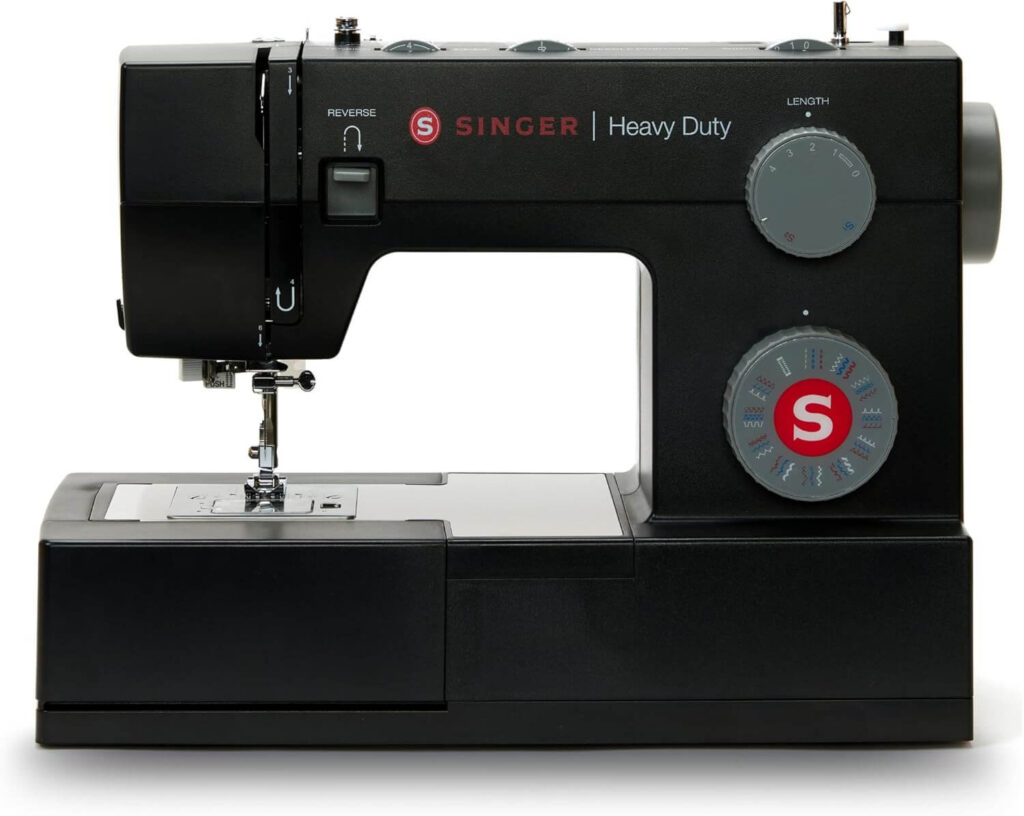
Type: Mechanical | Best for: Beginners who want durability at a lower price
The 4432 is the 4452’s slightly smaller sibling. Same metal frame, same powerful motor, same no-nonsense build — 29 stitches instead of 32, and a lower price tag. In terms of build quality and reliability, they’re nearly identical.
If the 4452 is on sale, grab that one. If not, the 4432 is an excellent alternative that won’t let you down.
3. Brother ST371HD — Best for Mixed Fabrics
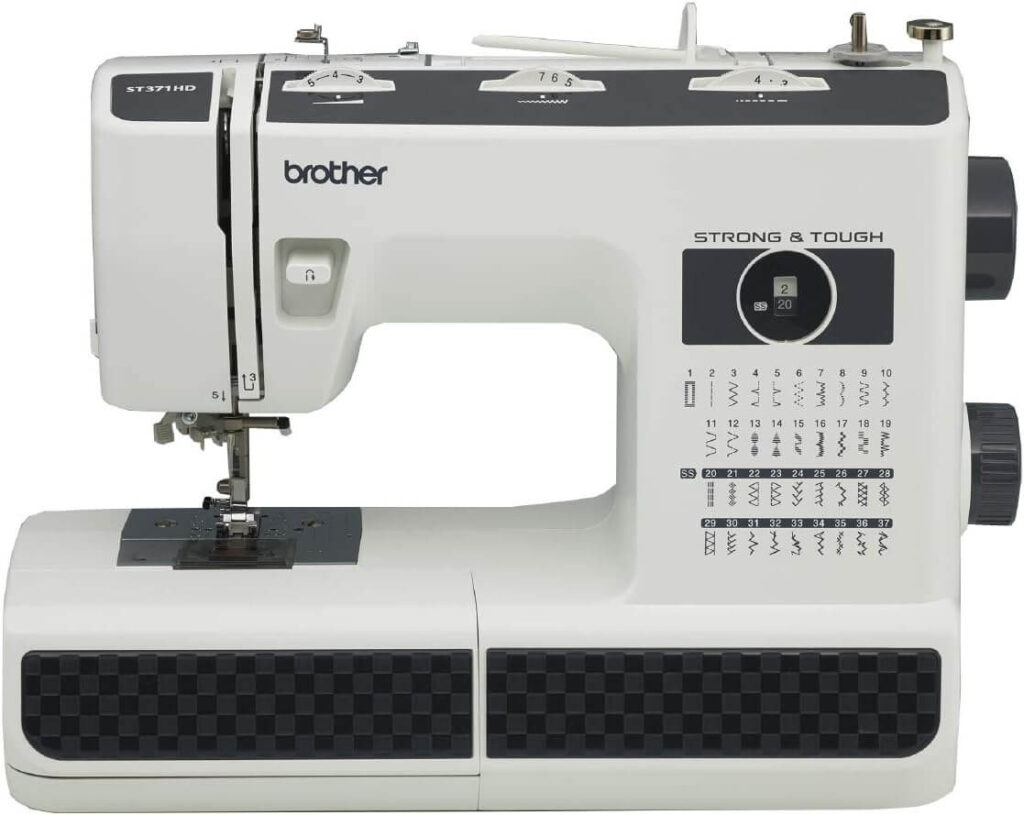
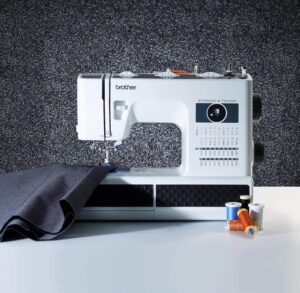
Type: Mechanical | Best for: Beginners who sew both delicate and heavy fabrics
What sets the ST371HD apart is versatility — it handles lightweight cotton just as well as thick canvas, which isn’t a given at this price point. It’s also noticeably quieter than the Singer Heavy Duty models, which matters if you sew at night or in a shared space.
Brother’s warranty and customer support are solid too. For a beginner who might need guidance along the way, that counts for something.
4. Janome 1522DG — Best for Learning Proper Technique
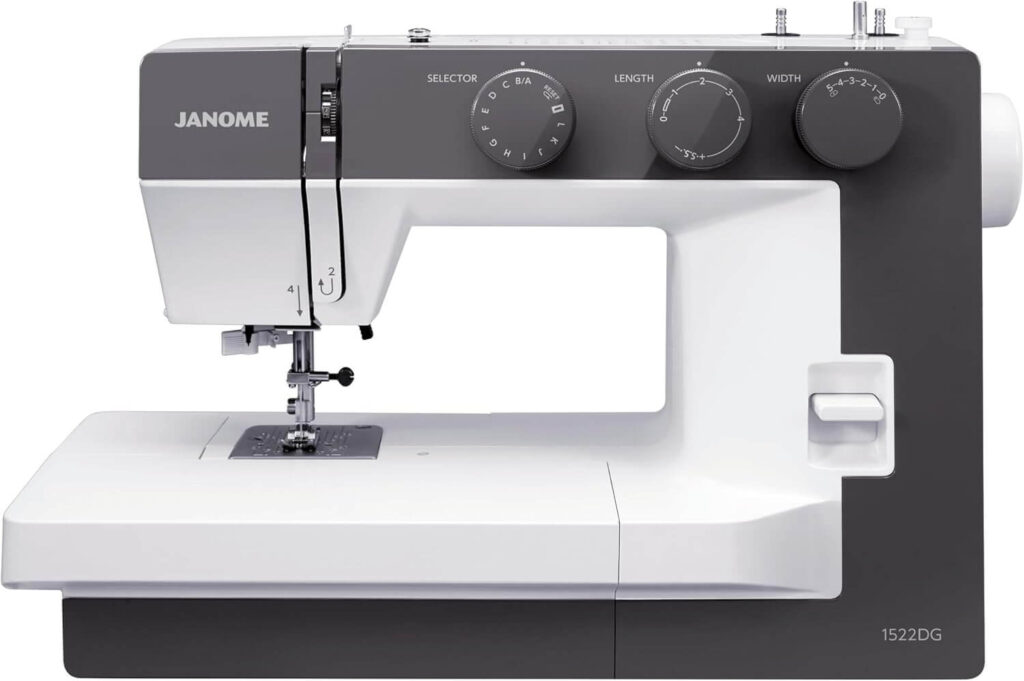
Type: Mechanical | Best for: Beginners who want to build real sewing skills
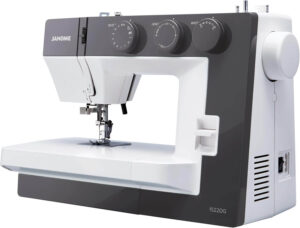
Janome is a brand I trust. Japanese engineering, consistent quality, excellent stitch precision. The 1522DG is simple, but built properly — smooth feeding mechanism, durable metal construction, easy to maintain and clean.
It has fewer built-in stitches than some competitors. But here’s the thing: beginners don’t need 100 stitch patterns. They need a machine that does straight stitch and zigzag perfectly, every single time. The 1522DG does exactly that, and you won’t outgrow it quickly.
5. Janome JW8100 — Best Computerized Machine for Beginners
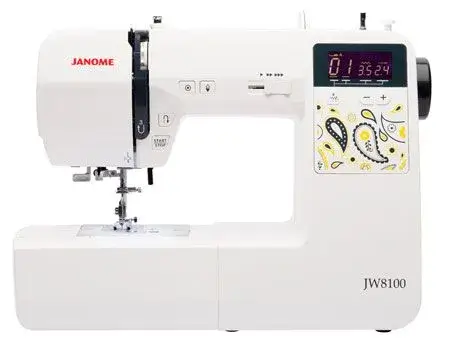
Type: Computerized | Best for: Beginners who want modern features without the complexity
If you want to step into computerized sewing without being overwhelmed, the JW8100 is the right move. 100 built-in stitches with easy selection, a reliable one-step buttonhole, needle up/down memory, and a clear LCD screen that’s actually readable.
Janome’s build quality combined with computerized convenience is a strong combination. It costs more than the mechanical options — but you’re paying for precision and time savings that add up on every project.
6. Bernette B35 — Best European Quality
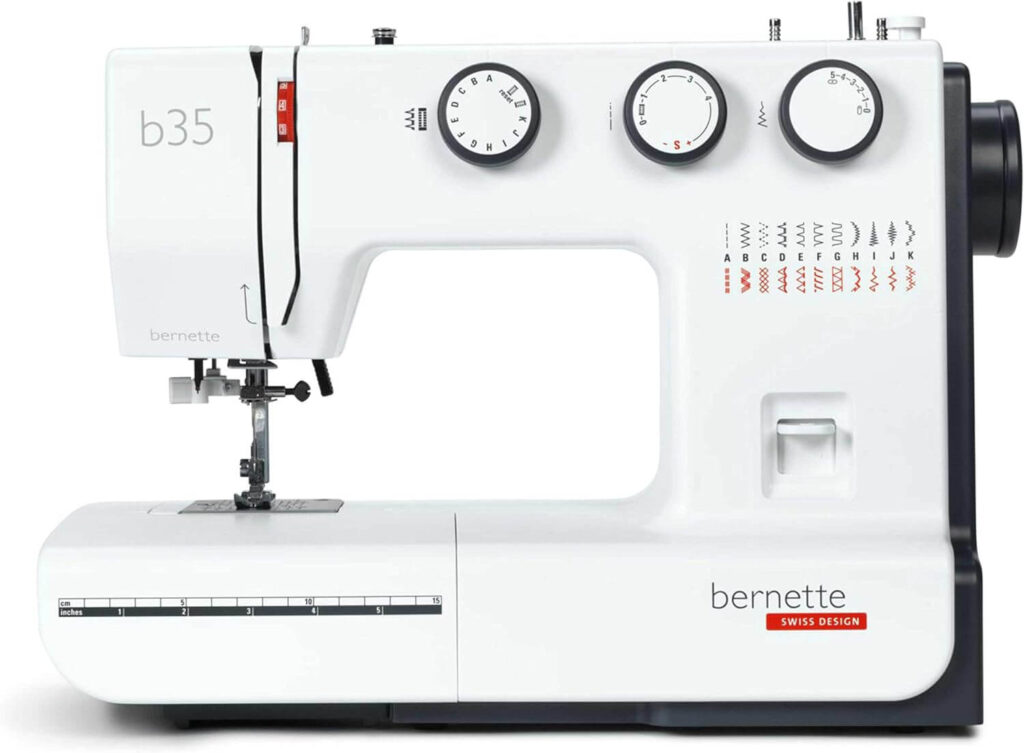
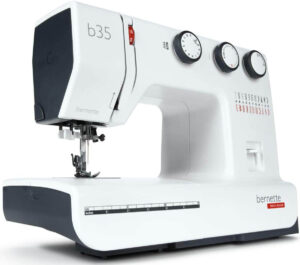
Type: Electronic | Best for: Beginners who want a step above mass-market
Bernette is Bernina’s entry-level brand — and Bernina is one of the most respected names in the sewing machine world. The B35 brings Swiss-designed engineering down to a beginner-accessible price. It runs quietly, stitches smoothly, and feels noticeably more solid than most machines in this range.
Less widely available in the US than Singer or Brother, but worth seeking out if build quality matters to you and you want something that feels different from the typical box-store machine.
7. SINGER Heavy Duty 6800C — Best Computerized Heavy Duty
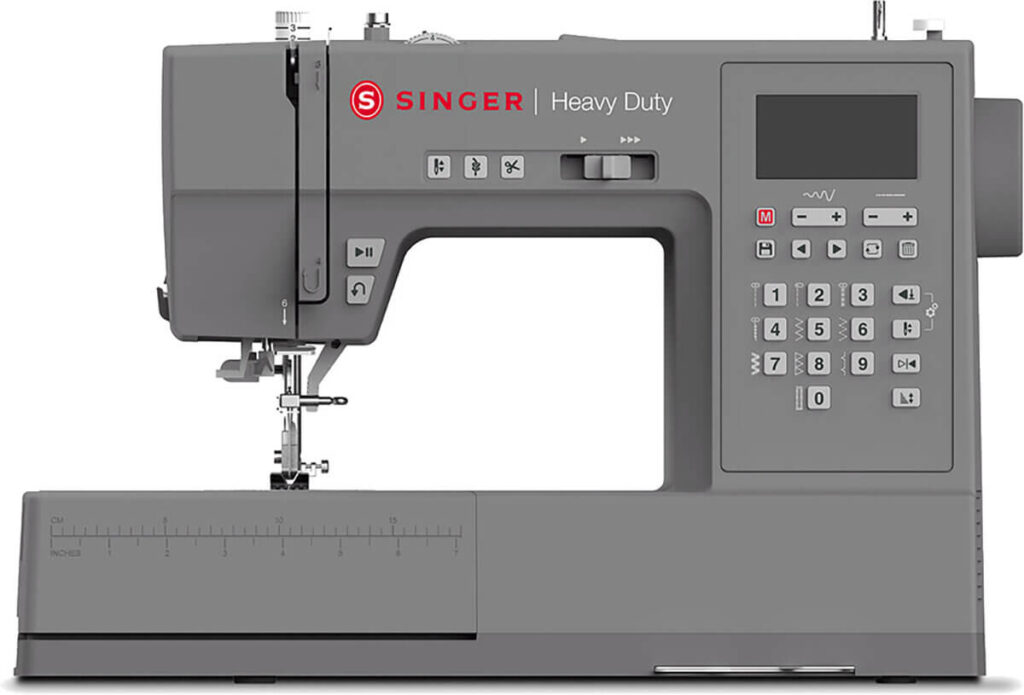
Type: Computerized | Best for: Serious beginners who want power and modern features
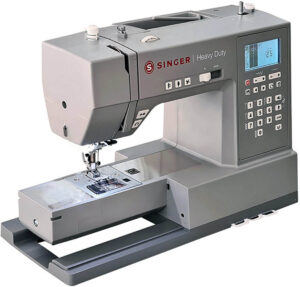
This is where computerized meets heavy-duty in Singer’s lineup. A powerful motor that handles thick fabrics and multiple layers, 215 built-in stitches, a large work area, and an automatic thread cutter. Singer’s interface is intuitive enough that beginners won’t feel lost — even with all those options available.
Buy this if you know from the start that you’re serious about sewing and want a machine you won’t outgrow for years.
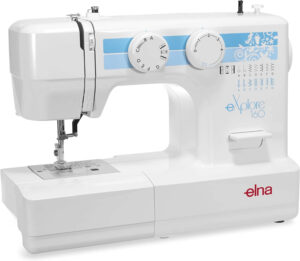
8. Elna eXplore 160 — Best for Pure Simplicity
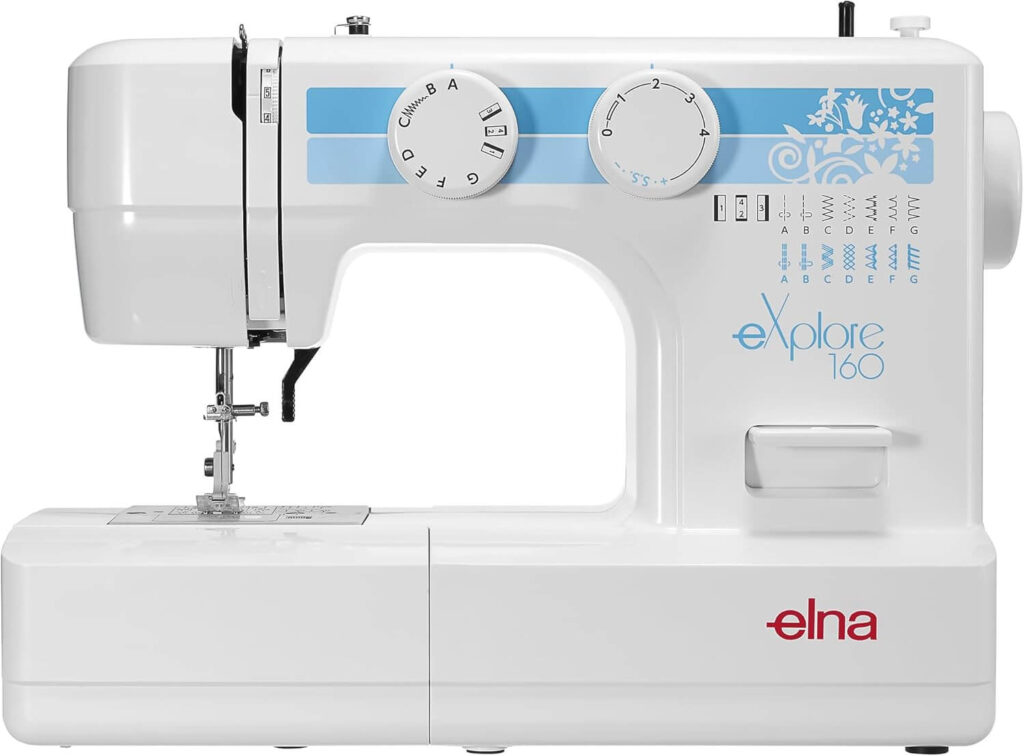
Type: Mechanical | Best for: True beginners who want zero complexity
Elna is a Swiss brand with decades of reputation behind it. The eXplore 160 is lightweight but sturdy, easy to thread, easy to maintain, and with nothing unnecessary to confuse a first-time user.
Fewer things to learn. Fewer things to go wrong. Sometimes that’s exactly what you need to get started — and there’s nothing wrong with that.
Quick Comparison: Which Machine Is Right for You?
| Machine | Type | Best For | Complexity | Price Range |
|---|---|---|---|---|
| SINGER 4452 | Mechanical | Overall best beginner pick | Low | $$ |
| SINGER 4432 | Mechanical | Budget-conscious buyers | Low | $$ |
| Brother ST371HD | Mechanical | Mixed fabric sewers | Low | $$ |
| Janome 1522DG | Mechanical | Learning proper technique | Low | $$ |
| Janome JW8100 | Computerized | Growing into sewing | Medium | $$$ |
| Bernette B35 | Electronic | Quality-focused beginners | Low–Medium | $$ |
| SINGER 6800C | Computerized | Serious beginners | Medium | $$$ |
| Elna eXplore 160 | Mechanical | Pure simplicity | Very Low | $$ |
The One Mistake Most Beginners Make
Buying based on stitch count.
A machine advertised with “200 built-in stitches!” sounds impressive. In practice, most sewers — beginners and experienced alike — regularly use five or six stitch types. Straight stitch, zigzag, maybe a stretch stitch and a buttonhole. That’s it. What matters far more is build quality, stitch consistency, and ease of use. None of that shows up in the marketing.
Pick a machine that’s built well and suits how you plan to sew. The stitch count will take care of itself.
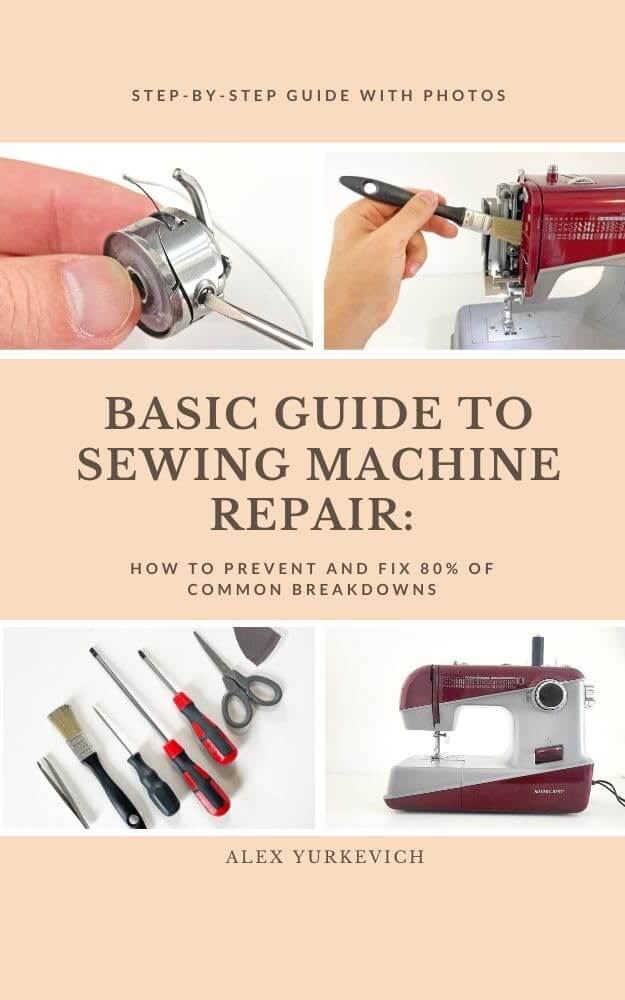
If you want to go deeper — how to maintain your machine, adjust the tension, clean and oil it properly, and fix small issues before they become big ones — my Kindle guide Basic Guide to Sewing Machine Repair covers exactly that. It’s written for everyday sewers, not technicians, and it’ll save you a service call or two.
Final Thoughts
A bad machine makes sewing frustrating. A good machine makes it enjoyable. That’s really the whole story.
You don’t need the most expensive option on this list. You need the right one — reliable enough to last, simple enough to learn on, strong enough to handle whatever you decide to sew next. Every machine above meets that standard. Pick the one that fits your budget and your plans, and start sewing.
And when you’re ready to understand your machine a little better — how to keep it running smoothly and handle the small issues yourself — Basic Guide to Sewing Machine Repair is the resource I put together for exactly that.
About the Author
Alex is a sewing machine mechanic with over 20 years of professional experience repairing domestic and industrial machines. Through his website, he shares practical, no-fluff guidance to help everyday sewers understand their machines, avoid common problems, and get more out of every project — without calling a technician.
Keep Learning & Fix Your Sewing Machine Faster
If you found this guide helpful, don’t stop here. Most sewing machine problems are easier to fix when you understand how your machine really works.
Check out these helpful guides:
Why Does My Sewing Machine Keep Breaking Thread? 10 Easy Fixes
Best Sewing Machines for Beginners Under $300 (2026)
👉 Explore more articles on the blog and learn how to fix your sewing machine like a pro.
And if you prefer video tutorials, subscribe to my YouTube channel where I show real repairs, common mistakes, and practical solutions step by step.
Want to fix your sewing machine like a pro? My book “Basic Guide to Sewing Machine Repair: How to Prevent and Fix 80% of Common Breakdowns” shows you step-by-step how to prevent and repair common issues.
This is an affiliate link at no extra cost to you. I earn a small commission if you purchase through this link, which helps me keep creating helpful content.
As an Amazon Associate, I earn from qualifying purchases.