7 Causes and How to Fix It
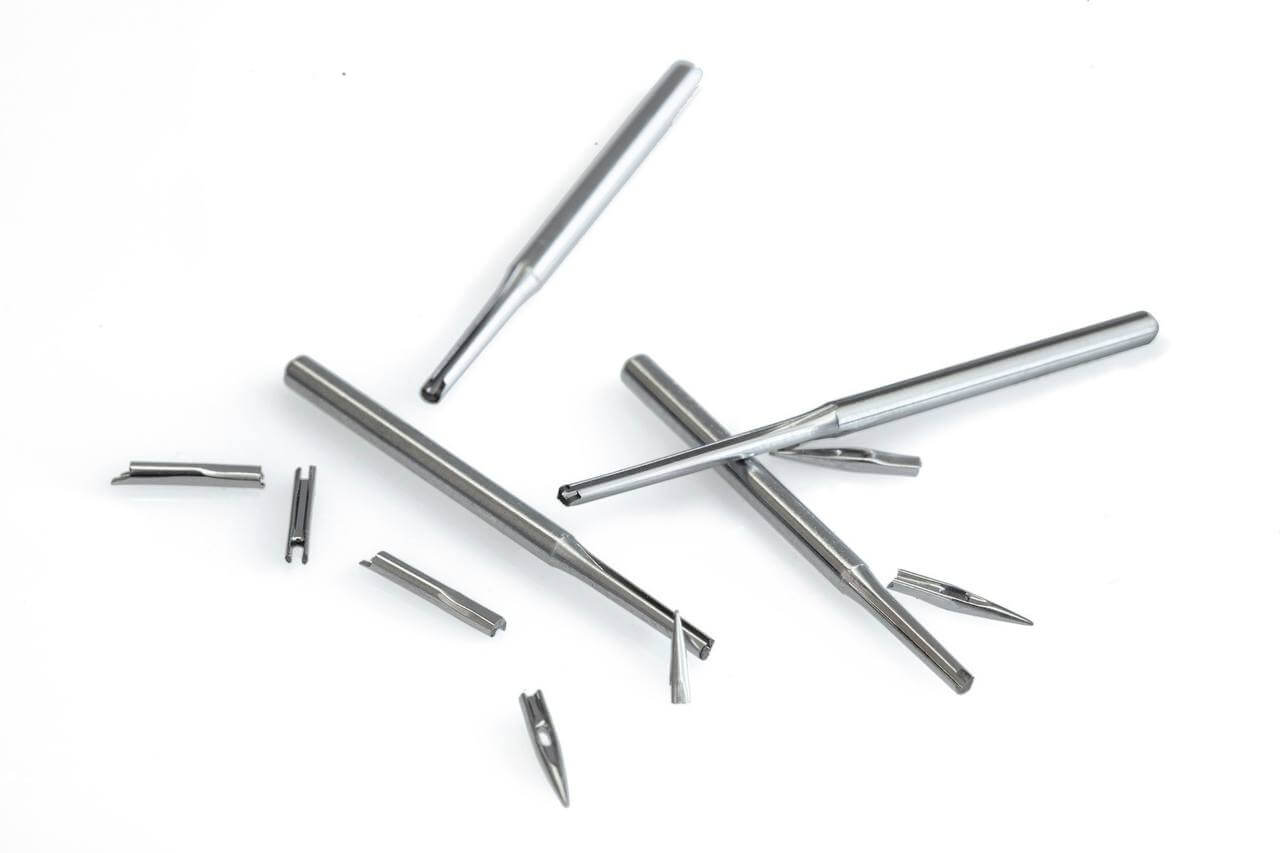
A broken needle is something almost everyone who sews has experienced. The important thing to understand: needles don’t break on their own. There is always a reason — mechanical stress, неправильная установка, or a usage mistake. Here are the most common causes I see in my workshop. Go through them step by step — usually the problem is solved quickly.
1. The needle is installed incorrectly
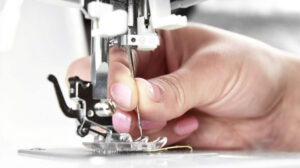
This is the most common reason, especially after replacing the needle.
The needle must be inserted all the way up. Even if it’s off by 1 mm, it shifts and starts hitting the hook or needle plate.
Also check the direction:
- flat side — usually facing the back
- the screw must be tightened firmly
Best practice: loosen the screw, push the needle all the way up, then tighten. No rush.
2. Wrong needle size for the fabric
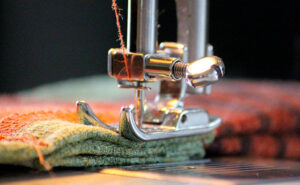
The needle is a consumable. It must match the material.
If you sew thick fabric with a thin needle, it takes too much load and breaks.
Simple guide:
- Size 70 — lightweight fabrics
- Size 80–90 — universal use
- Size 100 — denim, heavy fabrics
- Size 110 — very thick layers
If your machine breaks needles on denim, the needle is almost always too thin.
3. The needle is already bent
Sometimes the needle is slightly bent, and that’s enough.
You may not see it, but during sewing it deviates and hits metal parts.
Signs:
- light metallic clicking sound
- stitches shift
- needle breaks without obvious reason
Rule: don’t try to straighten it. Just replace it.
4. Pulling the fabric or sewing too fast over thick seams
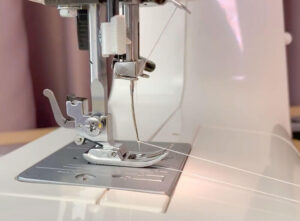
This is extremely common.
When you pull the fabric, the needle bends sideways. It is designed for vertical pressure, not lateral force. Result — it snaps.
There’s another important situation — sewing over thick seams (like denim side seams).
If the machine hits a thick layer at high speed, the impact is sudden. The needle cannot penetrate smoothly and breaks.
This follows simple physics — like driving over a speed bump.
You don’t drive over it at full speed. You slow down, go over it smoothly, then continue.
Same with a sewing machine:
- slow down before the thick seam
- go over it slowly
- then speed up again
This dramatically reduces stress on the needle and prevents breakage.
5. The presser foot is not installed correctly
After changing the presser foot, it may sit slightly crooked. Then the needle hits metal.
Check:
- presser foot is straight
- needle goes through the center of the hole
- no visible misalignment
Turn the handwheel manually and make sure the needle doesn’t touch anything.
6. Needle plate is misaligned or damaged
If the needle plate is crooked or has a burr, the needle will strike it.
Check:
- needle plate screws
- plate alignment
- impact marks
If needles have already broken several times, inspect the plate carefully.
7. Timing is off
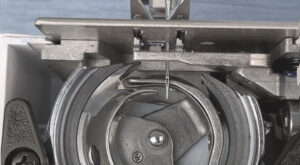
This is less common but possible.
If needles break regularly, especially at the start, the hook timing may be off.
Signs:
- needle hits the hook
- metallic impact sound
- breaks immediately
This requires adjustment.
Quick Checklist
Follow this order:
- Replace the needle
- Install the needle correctly (all the way up)
- Choose the correct needle size
- Don’t pull the fabric and slow down on thick seams
- Check the presser foot
- Check the needle plate
- Check timing
In most cases, the problem is solved within the first two steps.
How to Prevent Needle Breakage
- change the needle regularly
- slow down on thick layers
- don’t pull the fabric
- use the correct needle size
- turn the handwheel manually on difficult sections
Conclusion
If your sewing machine needle keeps breaking, it’s usually overload or incorrect installation.
Work calmly, slow down over thick seams, use the right needle — and the problem disappears.