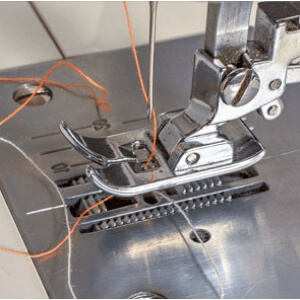
 If your sewing machine keeps breaking the upper thread — don’t panic.
In most cases, the machine is fine. The issue is usually setup, needle, or thread.
I see this problem all the time in my workshop.
And in about 70–80% of cases, it’s solved in a few minutes.
Go through this checklist step by step.
1. Upper Thread Tension Is Too Tight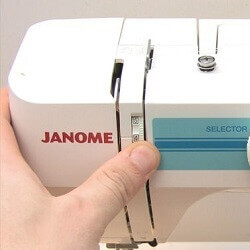
This is the #1 reason I see in my workshop.
Very often, someone turns the tension dial “just a bit more,” and suddenly the machine starts breaking thread. If your tension is set too high (usually around 7–9), the thread is under constant stress and eventually snaps.
What to do:
- Set tension to 3–5
- Sew a test stitch
- Adjust gradually if needed
A simple trick: turn the handwheel slowly by hand. If the thread feels tight and resistant, that’s likely the problem.
2. Poor Quality or Old Thread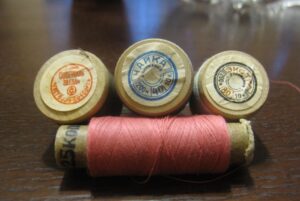
Thread quality matters more than most people think.
Cheap or old thread is one of those hidden problems. It may look fine on the spool, but once you start sewing, it begins to break for no obvious reason.
Watch out for:
- fuzzy texture
- uneven thickness
- small knots
- thread that’s been sitting for years
Fix: switch to a good-quality thread.
I’ve had machines come in “for repair” that only needed better thread.
3. Dull or Bent Needle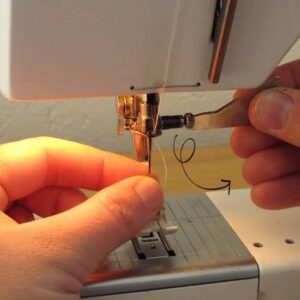
The needle is a small detail, but it does most of the work.
Over time, it becomes dull, slightly bent, or damaged. You may not notice it visually, but the thread definitely will.
Signs:
- thread breaks randomly
- a popping sound while sewing
- skipped stitches
Fix: replace the needle.
This is always my first step during diagnostics.
4. Needle Installed Incorrectly
This happens more often than you might expect.
Even experienced users sometimes install the needle slightly incorrectly, and that’s enough to cause thread breakage.
Check:
- flat side facing the correct direction (usually backward)
- needle inserted all the way up
- screw tightened properly
Even a slight misalignment can create friction and break the thread.
5. Wrong Needle for Fabric
Different fabrics require different needles. Ignoring this often leads to problems.
If you try to sew thick fabric with a thin needle, the thread is forced to work harder and eventually breaks.
Examples:
- knit fabric → use a Stretch or Jersey needle
- denim → use a Jeans needle
- light fabric → size 70–80
- universal use → size 80–90
Simple rule: match the needle to the fabric. Your machine will sew much more smoothly.
6.Incorrect Threading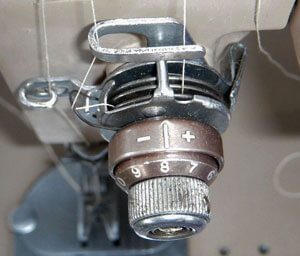
This is one of the most common causes I see in practice.
If the thread is not properly seated between the tension discs, the machine cannot apply correct tension. As a result, the thread moves unevenly, forms jerks, and eventually snaps.
Check:
- always thread the machine with the presser foot UP (this opens the tension discs)
- make sure the thread is firmly seated between the tension discs
- follow all thread guides step by step, without skipping any
Take your time here. Even a small mistake in threading can lead to thread breakage.
7. Burrs or Rough Spots Along the Thread Path
Sometimes the problem is mechanical but very small.
If the needle hits metal parts (needle plate, hook, or presser foot), it can leave a tiny burr. You may not see it, but the thread will catch on it every time.
And it’s not just the needle plate — it can be anywhere along the thread path.
Check all these areas:
- needle plate hole
- area around the needle
- needle eye
- thread guides
- tension discs
- presser foot
- hook and bobbin case
- any thread guide on the machine body
Run your fingernail or a piece of thread along the path.
If you feel any roughness, you’ve likely found the issue.
8. Issues with the Bobbin Case or Hook
Here’s something many people don’t expect:
the upper thread breaks, but the problem is actually below.
This happens quite often.
Possible causes:
- burrs on
- incorrect bobbin tension
- lint buildup in the hook area
Fix:
- remove the bobbin
- clean the hook area
- check that the thread moves smoothly
A quick clean can make a big difference.
9. Thread and Needle Mismatch
The thread and needle must work together.
If the thread is too thick for the needle, it struggles to pass through the eye and eventually breaks.
Rule of thumb:
- thin fabric → thin thread
- thick fabric → thicker thread
- standard setup → all-purpose thread + size 80 needle
If something feels tight while sewing, this is worth checking.
10. Machine Needs Cleaning or Service
Sometimes the issue builds up gradually.
Dust, lint, and lack of lubrication create friction inside the machine. You may not notice it immediately, but the thread does.
This leads to:
- uneven thread movement
- unstable tension
- thread breakage
In many cases, all you need is:
- cleaning
- oiling
- basic adjustment
A well-maintained machine always sews more smoothly.
Why Does My Sewing Machine Keep Breaking Thread?
Quick 30-Second Fix Checklist.
If your sewing machine keeps breaking thread, start simple:
- Replace the needle
- Set tension to 4
- Change the thread
- Rethread the machine
- Clean the hook area
This solves most cases.
When to Call a Technician
If nothing helps, it’s time to seek professional help.
Call a technician if:
- the thread keeps breaking constantly
- needles start breaking
- you hear metal hitting
- the machine both loops and breaks thread
- adjustments don’t help
This could indicate:
- a worn hook
- tension unit problems
- timing issues
My Advice as a Technician
From my experience, most of these problems are simple.
Start with the basics: needle, thread, and tension.
Don’t rush into disassembling the machine.
A calm, step-by-step check usually leads you to the cause.
If your sewing machine still breaks thread and you can’t find the issue:
- you can ship it for repair
- bring it in for service
- get a full diagnosis and adjustment
A properly adjusted machine should sew smoothly — without thread breaks and without frustration.